Driving in Morocco as a Tourist in 2026: Everything Foreigners Must Know
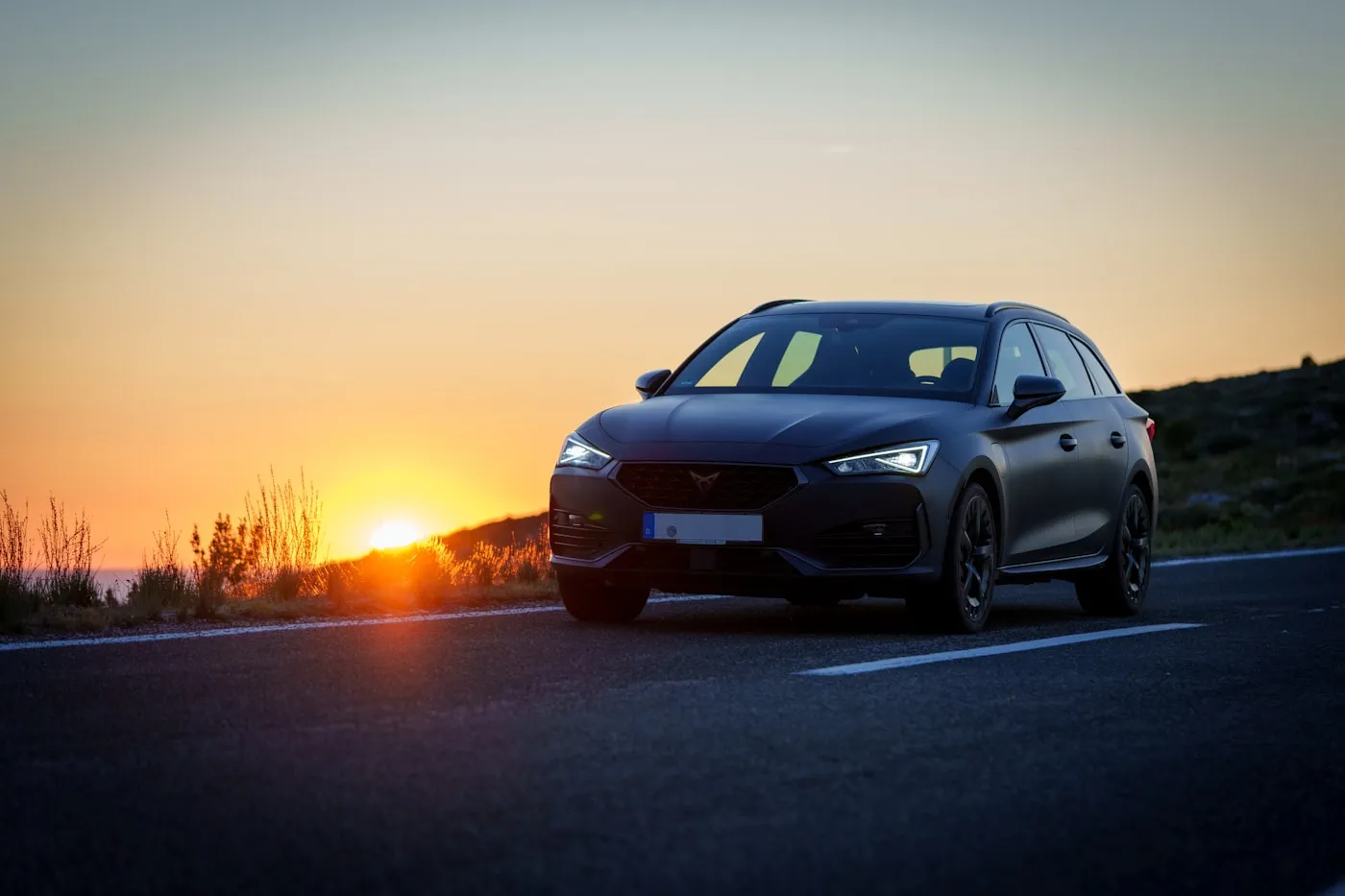
Driving in Morocco as a tourist is one of the easier things you'll do here. The roads are well-maintained, signs are bilingual (Arabic + French), fuel is cheaper than the EU, and Moroccan drivers are far more patient than their Mediterranean neighbours give them credit for. The catch isn't the country — it's that nobody tells you the local rules in advance.
This guide is the one a local relative would give you over coffee the day before you fly. We cover which side of the road, speed limits, police checkpoints, fuel prices, common scams, night-driving reality, and the answer to the question almost every foreigner asks halfway through their trip: can I take this rental into Spain?
Which Side of the Road, and the Rules You Actually Need
Morocco drives on the right. Same as France, Spain, Germany, the US. Overtaking is on the left. If you've driven anywhere in continental Europe, your muscle memory is already correct.
The rules-of-the-road basics that matter most for tourists:
- Speed limits are 60 km/h in cities and built-up areas, 80 to 100 km/h on open national roads, and 120 km/h on autoroutes (the toll motorways like the A7 Agadir–Marrakech). In rain, autoroute limits drop to 100 km/h.
- Seatbelts are mandatory for everyone in the car, front and back. This is the single most common reason tourists get a fine — €15-€30 equivalent on the spot.
- Phone use while driving is illegal. Hands-free or Bluetooth is fine.
- Right of way at unmarked intersections goes to the car coming from the right. Roundabouts: the car inside the roundabout has priority — not the entering car. This is the opposite of the UK rule.
- Headlights must be on at night, in tunnels, and in heavy rain.
You do not need an International Driving Permit to drive legally in Morocco as a tourist. Your home country licence is accepted under the 1949 Geneva Convention for up to 12 months.
Road Quality — Autoroutes vs National Roads vs the Atlas
Moroccan roads fall into three honest tiers:
Tier 1: Autoroutes (A-roads). A7 (Agadir → Marrakech → Casablanca → Rabat → Tangier), A3 (Rabat → Fez), A1 (Tangier → Casablanca). These are world-class — newer asphalt than most French motorways, three lanes wide, service areas every ~50 km. Tolls cost roughly 40 MAD per 100 km (~€3.80). Pay in cash or card at the booth.
Tier 2: National roads (N-roads). The single-lane-each-way arteries connecting smaller towns. The N1 along the Atlantic coast (Agadir–Essaouira–Casablanca) is excellent. The N10 across the High Atlas is excellent but narrow with switchbacks.
Tier 3: Regional and rural roads. Use a real map — Google Maps occasionally directs you down dirt tracks that need a 4×4. For most tourists this category isn't relevant: you can do Agadir, Marrakech, Essaouira, Tangier, Fez, Casablanca, and Rabat entirely on Tier 1 and Tier 2.
If your itinerary includes the Atlas passes or dunes near Merzouga, take an SUV for the Atlas roads — not for safety, just for comfort over rough patches.
Police Checkpoints — What to Expect and How to Handle Them
The Gendarmerie Royale runs checkpoints on most inter-city roads. They are routine, professional, and overwhelmingly unbothered by tourists. 95% of the time you'll be waved through without slowing down.
When you're stopped:
- Pull over fully, lower the window, switch off the radio. Don't get out of the car unless asked.
- Have ready: your driving licence, the rental contract, your passport.
- Speak first in French or English. Most checkpoints have at least one officer who understands either.
- Stay polite and patient.
- Do not offer money. Bribes are illegal, insulting, and often a setup. If you're given a fine, ask for the official ticket.
The most common reason tourists get a real fine is not wearing a seatbelt, especially in the back seat. The second is speeding inside city limits — Moroccan towns end abruptly and the speed limit drops from 100 to 60 within 50 metres. Watch for the white "town name" sign.
Fuel — Diesel vs Petrol, Prices, Where to Fill Up
Morocco runs on diesel and petrol. Most rental cars are diesel because it's cheaper. Confirm at pickup — it's printed on the contract and on a sticker inside the fuel cap.
As of 2026, approximate prices:
- Diesel (Gasoil): 13–14 MAD per litre (~€1.25–€1.35)
- Petrol (Essence Sans Plomb 95): 14–15 MAD per litre (~€1.35–€1.45)
Cheaper than France or Italy, comparable to Spain. Recommended stations: Afriquia (ubiquitous, reliable), Total Energies (very clean), Shell (present on main routes). An attendant always pumps for you — watch the pump reset to zero before he starts. Tipping the attendant 2–5 MAD is appreciated but not required.
Common Scams — What to Politely Refuse
None of these are physically dangerous. They go away the moment you say "no, thank you" firmly:
- Fake parking attendants in cities asking for 10–20 MAD to "watch" your car. In tourist areas, pay 5 MAD if there are real painted parking lines. In random street locations, politely refuse.
- "Free" guides on rural roads. Someone flags you down near a viewpoint offering to "show you something." Polite firm refusal works.
- Petrol-station short-fill. Verify pump resets to zero before attendant starts.
- Argan-cooperative kickbacks between Agadir and Essaouira. Some are real; check Google reviews before you stop.
Driving at Night — the Honest Truth
On the autoroutes, night driving is fine. The roads are well-lit, the surface is excellent.
On national roads and especially mountain roads, night driving is the one thing Moroccan locals consistently advise foreigners against:
- Unlit pedestrians and animals. Donkeys, goats, dogs, and walkers near villages are common and often invisible until your headlights catch them at 80 km/h.
- Parked trucks without reflectors. A surprising number of trucks park half-on, half-off the shoulder with no warning triangle.
- Mountain switchbacks require a level of attention that's exhausting after a long day.
The local rule of thumb: be off the country roads by sunset. In June, that's around 8:30pm. In December, around 6pm. The autoroute is the exception.
Crossing into Spain — the Tanger Med Ferry Question
Can you drive your Moroccan rental car onto the Tanger Med ferry to Tarifa or Algeciras? The answer is "yes, but":
- Written authorisation from the rental company is required. We allow it on advance request.
- A customs export form (D16ter) must be issued at Tanger Med before boarding. The paperwork takes 24–48 hours to prepare — not a same-day decision.
- A higher insurance band may apply covering the Spanish leg.
If you're doing a Tangier day trip on foot (no car), there's no paperwork at all. Park in the long-stay lot at Tanger Med and take the passenger ferry.
What Insurance Covers — the Foreigner's Short Version
Every Euromotion rental includes:
- Third-party liability insurance (Assurance RC). Covers damage you cause to other people, vehicles, and property. Required by Moroccan law.
- Theft cover for the vehicle.
- 24/7 roadside assistance via WhatsApp.
What's not included by default is damage to the rental car itself — the Collision Damage Waiver (CDW). You can add it at pickup. If you have travel insurance from home, check whether it covers Morocco specifically — many EU policies explicitly exclude Africa.
What We'd Actually Tell a Friend Before They Fly
Five things to remember:
- Drive on the right, indicate at roundabouts, wear your seatbelt in the back too.
- Diesel at Afriquia or Total. Watch the pump reset to zero.
- Police checkpoints are routine. Have your licence, rental contract, and passport ready.
- Get off country roads before sunset. Autoroutes are fine after dark.
- €0 deposit, full insurance, WhatsApp support — you don't need a credit card to rent at Euromotion.
If you've been weighing whether driving here is for you, the answer for almost everyone is yes. For licence-specific questions, see our guides on driving with a UK licence and driving with a US licence. For the safety question in full detail, read is it safe to drive in Morocco. For anything else, WhatsApp us — we answer in English, French, and Arabic.
FAQ
Morocco drives on the right-hand side, the same as continental Europe and the United States. Overtaking is on the left.
No — your home country licence is accepted for tourist stays up to one year. An IDP is a translation document, not a requirement. Bring one if you already have it; do not delay your trip to apply for one.
Cities and built-up areas: 60 km/h. Open national roads: 80–100 km/h. Autoroutes (toll motorways): 120 km/h, dropping to 100 km/h in the rain.
The Gendarmerie Royale runs checkpoints on most inter-city roads. They are routine, polite, and 95% of the time you'll be waved through. If stopped, hand over your licence, the rental contract, and your passport. Keep your seatbelt on — that's the most common reason tourists get fined.
As of 2026, diesel runs around 13–14 MAD per litre (~€1.25–€1.35), and petrol around 14–15 MAD per litre (~€1.35–€1.45). Cheaper than France, slightly more than Spain. We recommend Afriquia, Total, and Shell stations.
Possible but requires written permission from the rental company plus an export form (D16ter) at the border. We do allow it on advance request with a small admin fee, but the paperwork takes 24 hours to prepare.
On well-lit autoroutes (A7, A3, A1) — yes, similar to European motorways. On unlit national roads or Atlas mountain passes — no. Pedestrians, donkeys, and parked trucks without reflectors are real night-driving risks. Most experienced tourists end their day by sunset on country roads.
Fake parking attendants asking for a tip; gas-station short-fill tricks (verify the pump resets to zero); and unofficial guides flagging you down on rural roads. None are dangerous, but a polite firm "no, thank you" avoids 95% of friction.
Got more questions? See our full FAQ or just WhatsApp us.