Driving in Morocco as a Foreigner: The Complete 2026 Safety Guide
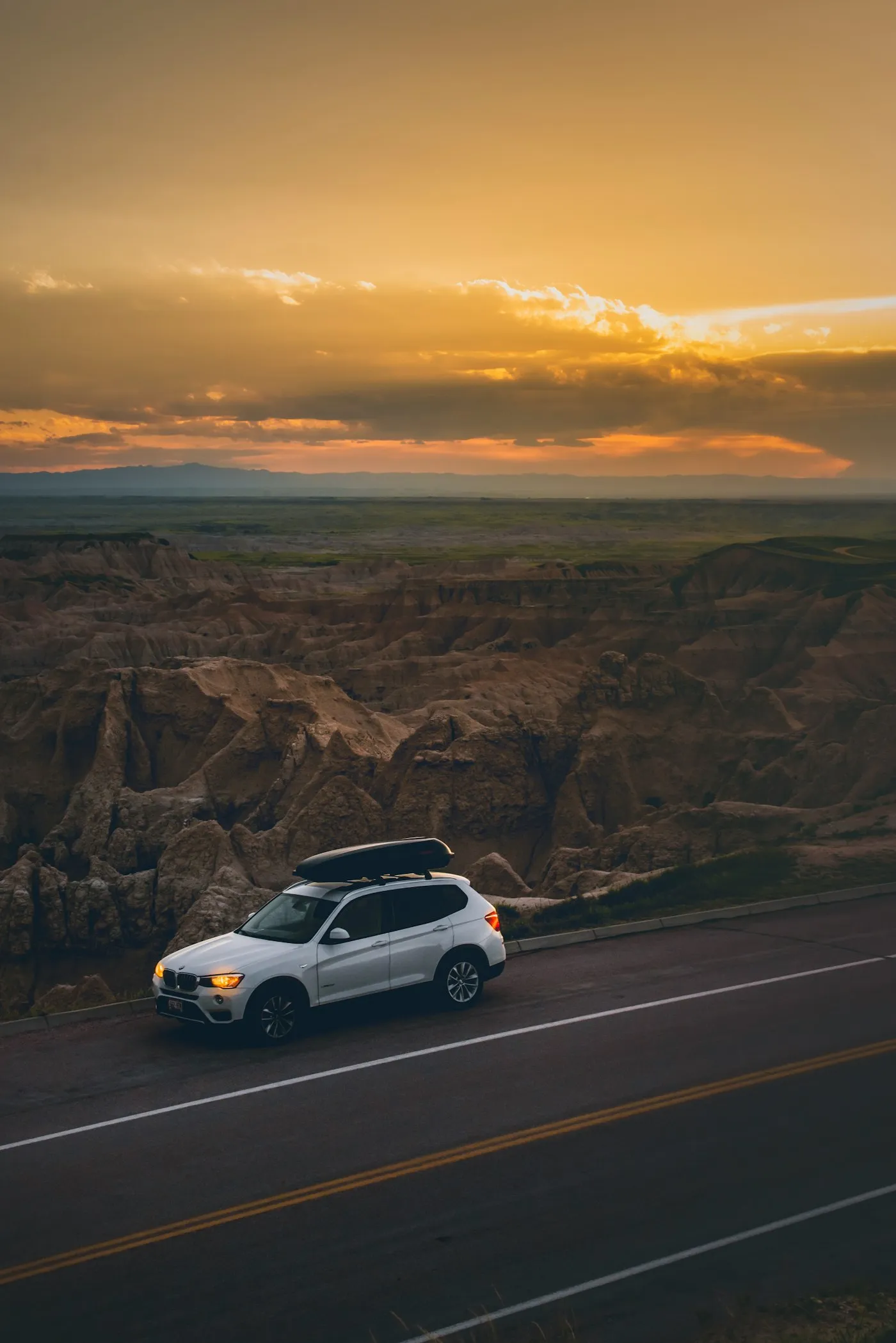
Short answer: yes, it's safe to drive in Morocco. The road network is modern, drivers are generally orderly on motorways, and police presence is reassuring rather than menacing if you follow the rules. This guide covers every practical concern foreign drivers have before getting behind the wheel of a rental car at Agadir Airport.
Driving License Requirements
Morocco accepts foreign driving licenses for tourists for stays up to 1 year. EU, UK, US, Canadian, Australian, and Swiss licenses are accepted directly. An International Driving Permit (IDP) is recommended if your license is in non-Latin script (Chinese, Arabic, Russian, Japanese) — and required if a police officer asks for it during a check.
Road Quality
Morocco's motorway network (autoroutes A1, A3, A5, A7) is excellent — comparable to Spain or France. Major national roads (N1, N8, N9) are paved and well-maintained. Smaller regional roads can be narrow and rough, especially in the Atlas. Off-road tracks should only be tackled with a 4x4.
Speed Limits
Police Checkpoints — Don't Panic
You will encounter gendarmerie checkpoints, especially on roads connecting cities. They're routine. Slow down, smile, and have ready: passport, driving license, rental contract, vehicle registration (in the glovebox). 95% of the time they wave you through. If asked questions, answer briefly and politely. Do not offer a bribe — Moroccan police are professional and bribery puts you in legal jeopardy.
Driving Style Differences
- Urban driving in cities like Marrakech and Casablanca is intense — scooters, donkeys, jaywalkers, taxis stopping anywhere. Drive defensively. Eye contact = right of way.
- Roundabouts: in Morocco, vehicles already in the roundabout do NOT always have priority. Watch carefully.
- Headlights flashing usually means "I'm coming through, don't pull out" — opposite of UK/Germany.
- Horn use is not aggressive — it's a friendly "I'm here."
What to Avoid
- Driving at night on rural roads. Unlit pedestrians, animals, parked trucks. Stick to motorways or arrive before sunset.
- Ramadan rush hour just before iftar (sunset breakfast) — drivers in a hurry to get home.
- Drinking and driving. Zero tolerance.
- Using your phone without hands-free. Police actively enforce this.
Fuel
Two main fuels: essence (petrol, ~13 MAD/L = €1.20) and gasoil (diesel, ~12 MAD/L = €1.10). Stations everywhere on motorways and in towns. Most accept cards but always carry some cash for rural stations.
Parking
In medinas (old cities), don't drive in. Park in guarded outside lots (gardiens de parking, recognizable by yellow vests). Tip: 5-10 MAD for a few hours, 20 MAD overnight.
What to Do in an Accident
- 1Move to a safe spotIf the damage is minor, pull off the road.
- 2Photograph everythingAll vehicles, angles, plates and the scene.
- 3Call EUROMOTION on WhatsAppOur 24/7 line coordinates with police and insurance for you.
- 4For injuries, dial 15 or 1915 = ambulance, 19 = police.
FAQ
Yes. The motorway network is modern, highway driving is orderly, and checkpoints are routine. Avoid rural roads after dark.
Yes, for stays up to 1 year. EU, UK, US, Canadian, Australian and Swiss licences are accepted directly; an IDP is recommended for non-Latin-script licences.
120 km/h on motorways, 100 km/h on national roads outside towns, 40–60 km/h in towns. Speed cameras are common, especially at town entries.
Slow down, be polite, and have your passport, licence, rental contract and vehicle registration ready. They usually wave you through — never offer a bribe.
Passport, licence, rental contract and registration, plus reflective vests, warning triangle and fire extinguisher — all provided in every EUROMOTION rental.
Night driving on rural roads, phone use without hands-free, drinking and driving (zero tolerance), and the Ramadan pre-sunset rush hour.
Got more questions? See our full FAQ or just WhatsApp us.